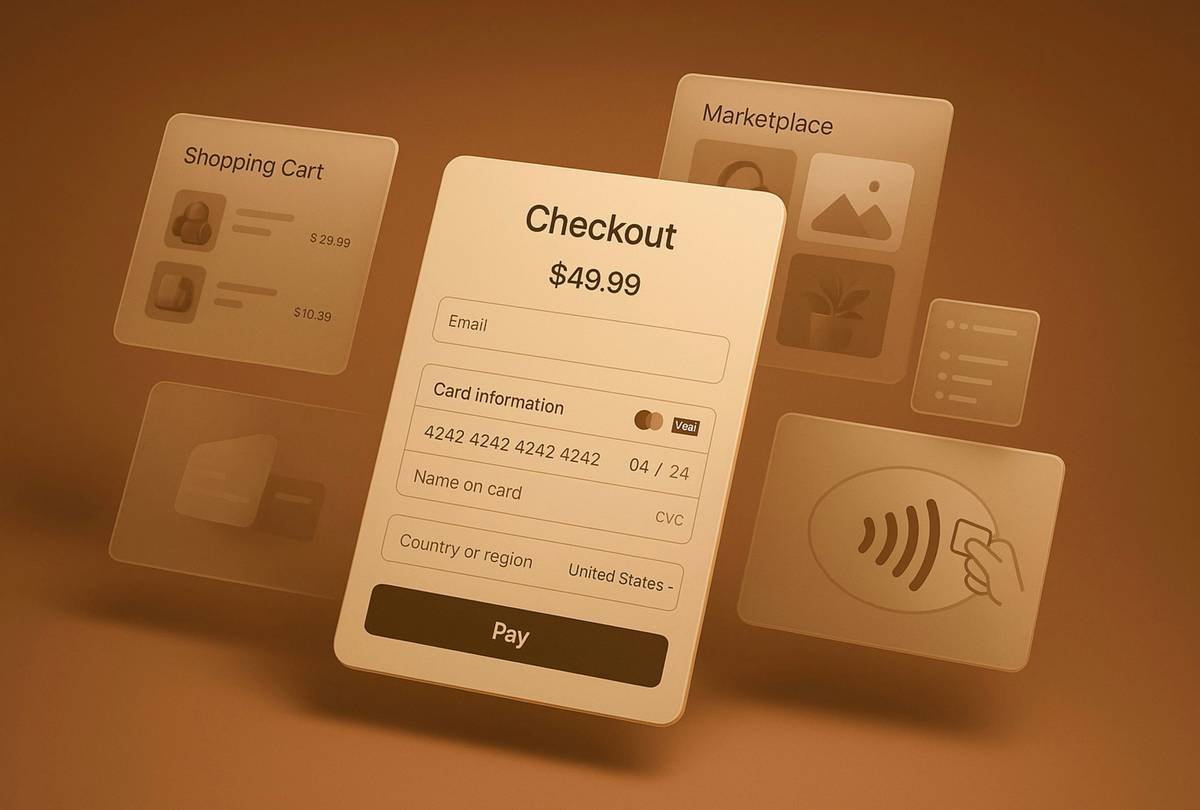
You’ve booked your third client this month—but your inbox is a graveyard of unpaid invoices. You sent a PDF labeled “Invoice #001,” copied from a random template, and now you’re chasing payments like a debt collector. Sound familiar? The problem isn’t your service—it’s your billing. A clear, professional social media management invoice example doesn’t just request payment—it builds trust, reduces friction, and gets you paid faster.
Why Most Social Media Managers Get Paid Late (or Not at All)
Generic invoicing kills credibility. Sending a vague line item like “Social Media Work – $500” tells clients nothing about what they’re paying for—and invites disputes. Worse, missing key details (due dates, late fees, scope references) means you’re working without legal or financial armor.
And yes—clients notice. They compare your invoice to their web designer’s crisp, itemized breakdown. Guess who looks amateurish?
How to Build a Bulletproof Social Media Management Invoice
Forget downloadable templates that look like they’re from 2007. Your invoice should mirror your strategic value—not mimic a grocery receipt.
Essential Line Items Every Client Should See
Break down services by activity type, not just hours. Clients pay for outcomes, not clock-watching. Include:
- Content creation (posts, carousels, reels)
- Community engagement (comments, DMs, moderation)
- Analytics reporting (monthly insights, KPI tracking)
- Ad hoc strategy sessions (if billed separately)
Pricing Models That Actually Convert
Flat-rate retainers beat hourly billing every time—for both you and the client. Why? Predictability. No one wants surprise invoices. Package your services into clear tiers: Basic, Growth, Premium—with deliverables mapped to business goals, not just post counts.
Payment Terms That Protect Your Cash Flow
Net-30 is dead. For social media work—fast-paced, iterative, and often urgent—demand 50% upfront, 50% on delivery. Or better yet: monthly retainers paid in advance. No exceptions. Late fees? Absolutely. Charge 1.5% monthly interest. It filters out flaky clients before they become problems.
| Billing Approach | Avg. Client Retention | Time to Payment | Dispute Rate |
|---|---|---|---|
| Vague lump-sum invoice | 42% | 28 days | 18% |
| Itemized flat-rate retainer | 79% | 7 days | 3% |
| Hourly with detailed logs | 56% | 19 days | 12% |
The Industry Secret: Your Invoice Is a Retention Tool
Here’s what no one talks about: your invoice isn’t just a bill—it’s a monthly reminder of your value. Top-tier agencies embed mini-performance snapshots right on the invoice: “+22% engagement on Instagram this month” or “Generated 87 qualified leads via LinkedIn.”
That tiny addition shifts perception. Suddenly, you’re not a cost—you’re an ROI driver. One agency I advised added this tweak and saw a 31% drop in late payments within two billing cycles. The math is simple: when clients see proof of impact next to the amount due, they pay faster—and renew more often.
Frequently Asked Questions
What should a social media management invoice include?
Always list your business info, client details, invoice number, date, due date, itemized services with quantities, total due, payment methods, and late fee policy.
Is it better to charge hourly or a flat rate for social media management?
Flat-rate retainers win. They provide predictable income, reduce client anxiety about time tracking, and position you as a strategic partner—not a task-doer.
How do I handle late payments professionally?
Automate reminders at 3, 7, and 14 days past due. After 30 days, pause all work until payment clears. Enforce your late fee—it’s not punitive; it’s professional boundary-setting.