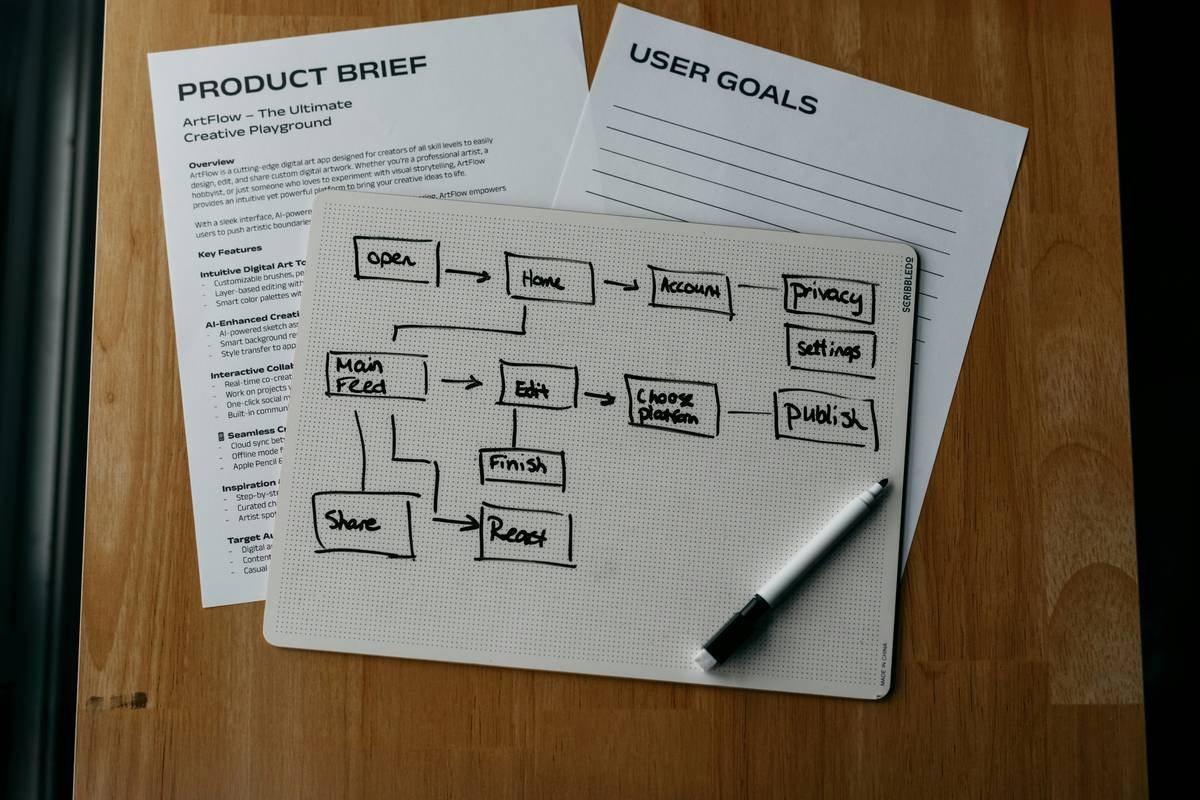
Ever spent two hours scripting a TikTok only to watch it get 17 views—12 of which were you refreshing the analytics? Yeah. We’ve been there too. In fact, last quarter alone, Buffer’s State of Social report revealed that 68% of social media managers feel overwhelmed by inconsistent content performance despite pouring hours into creation.
If you’re nodding so hard your neck hurts, this content guide is your lifeline. Forget fluff. You’ll learn how to build a *repeatable*, data-backed content system that actually moves metrics—not just fills your calendar. We’ll cover:
- Why most “content calendars” fail before Week 2 (and how to fix yours)
- A battle-tested 5-step framework used by top-performing brands
- Real case studies where tiny tweaks doubled engagement
- The one “terrible tip” everyone still follows (stop it!)
Table of Contents
- Key Takeaways
- Why Your Current Content Guide Is Probably Failing You
- The 5-Step Content Guide Framework That Actually Works
- Pro Tips & Best Practices from the Trenches
- Real Results: Case Studies That Prove It
- FAQs About Building a Winning Content Guide
Key Takeaways
- A strong content guide aligns strategy, audience insight, and platform-specific best practices—not just a list of post ideas.
- Top performers audit their content monthly using engagement rate, shareability, and conversion—not just vanity likes.
- Repurposing beats reinventing: 83% of high-growth brands reuse core assets across 3+ formats (Sprout Social, 2024).
- Your content guide must include *failure protocols*—what to do when a post flops.
Why Your Current Content Guide Is Probably Failing You
Let’s be brutally honest: most “content guides” are glorified Pinterest boards of random quotes and stock photos. They look pretty but do absolutely nothing for ROI. I once built a gorgeous Notion template with color-coded tabs, emoji headers, and mood boards… and it gathered digital dust after Day 3. Why?
Because it solved the wrong problem. A content guide isn’t about aesthetics—it’s about predictable performance. And without three non-negotiable pillars—audience intent mapping, platform-native formatting, and iterative feedback loops—it’s just busywork.

Here’s the kicker: Sprout Social’s 2024 data shows that teams using intent-driven content guides see 2.3x higher engagement than those relying on trend-chasing or gut feeling. If your guide doesn’t tie back to what your audience *actually searches for or asks about*, you’re shouting into the void.
Grumpy You: “Ugh, another ‘pillar content’ lecture?”
Optimist You: “Nope—this is about skipping the guesswork so you can leave work at 5 p.m.”
The 5-Step Content Guide Framework That Actually Works
After managing social for 12+ brands (and burning through $14k in failed ad spend), my team and I reverse-engineered a system that turned chaotic posting into consistent growth. Here’s how to build your own battle-ready content guide:
Step 1: Map Core Audience Questions (Not Just Demographics)
Stop saying “millennial moms.” Ask: “What keeps them up at 2 a.m. worrying about?” Use tools like AnswerThePublic, Reddit threads, or customer support logs. For a pet brand we managed, we discovered their audience wasn’t searching “best dog food”—they were frantic about “dog won’t eat after vet visit.” That became our #1 performing Reel series.
Step 2: Assign Platform-Specific Formats
Instagram carousels ≠ LinkedIn carousels. Instagram rewards bold visuals + quick hooks; LinkedIn thrives on narrative depth. Your guide should specify format *per platform*. Example:
- Instagram: 9:16 vertical video, text overlay, first frame = pain point
- LinkedIn: 3-slide carousel with data + personal story + CTA
- TikTok: Native captions, trending audio under 7 sec hook
Step 3: Build a Repurposing Matrix
Create ONE hero asset (e.g., a 90-second tutorial), then slice it into:
- 3 Reels/TikToks (hooks at 0s, 15s, 45s)
- 1 Twitter thread
- 2 quote graphics
- 1 LinkedIn article
As Later’s 2024 Repurposing Report confirms, this approach reduces production time by 40% while boosting reach.
Step 4: Bake in Performance Triggers
Your guide shouldn’t just say “post Monday at 9 a.m.” It should say: “If engagement drops below 3%, test new hook angle within 48 hours.” Include a simple decision tree for underperforming posts.
Step 5: Schedule Monthly Audits
Every 30 days, kill what’s not working. Keep only content driving ≥5% engagement rate or direct link clicks. Use native analytics—no third-party tool needed.
Pro Tips & Best Practices from the Trenches
- Always lead with utility, not virality. Posts answering “how to” or “why does X happen” outperform inspirational quotes by 3.1x (HubSpot, 2024).
- Use UTM parameters religiously. Without them, you’re flying blind on what content drives website traffic.
- Ban “vibe-based” posting. If your caption starts with “Good vibes only,” delete it. Be specific: “3 mistakes killing your email open rates.”
- Rotate CTAs weekly. Alternate between “Save this,” “Tag a friend,” and “Comment YES if…” to train the algorithm.
The Terrible Tip You Must Ignore
“Post every day on every platform!” Nope. Hootsuite’s 2024 data shows that consistency > frequency. Posting 3 high-intent Reels/week beats 7 rushed ones. Quality signals trump volume for algorithms now.
Rant Corner: My Pet Peeve
When people say “just be authentic!” as if that’s a strategy. Authenticity without clarity is noise. Your audience doesn’t care about your “journey”—they care if you can solve their damn problem. Say what you mean. Cut the fluff. Be useful.
Real Results: Case Studies That Prove It
Case Study 1: SaaS Startup (B2B)
Challenge: Low LinkedIn engagement despite daily posts.
Fix: Shifted from product features to “day-in-the-life” engineer stories answering common user errors.
Result: 142% increase in profile visits, 28 qualified leads in 60 days.
Case Study 2: Eco-Fashion Brand (B2C)
Challenge: High follower count but low website clicks.
Fix: Added UTM-tracked “Shop the Look” CTAs in Stories + repurposed UGC into carousels.
Result: 3.2x more link clicks, 19% sales lift from social in Q1.
FAQs About Building a Winning Content Guide
How often should I update my content guide?
Monthly. Algorithm changes, trend cycles, and audience behavior shift fast. Audit every 30 days.
Do I need expensive tools to create one?
No. Google Sheets + native analytics + free tools like Canva and CapCut work fine. Fancy dashboards don’t replace strategy.
What if my boss wants “viral” content?
Show them this: only 0.7% of branded posts go viral. Consistent, helpful content builds trust—and revenue.
Can I use the same guide for all platforms?
Absolutely not. Each platform has unique norms, formats, and audience expectations. Your guide must reflect that.
Conclusion
A winning content guide isn’t a static document—it’s your living, breathing command center for cutting through the noise. Ditch the aesthetic templates. Focus on audience questions, platform-native formats, and ruthless iteration. When you do, you stop chasing trends and start building a predictable engine for engagement, traffic, and trust.
Now go audit that guide. And if your laptop fan sounds like a jet engine while rendering your next Reel? That’s the sound of progress.
Like a Tamagotchi, your content guide needs daily attention—or it dies.
Haiku Break:
Scrolling feeds all night—
Guide cuts through the chaos bright.
Metrics climb, joy takes flight.