
Ever spent two hours crafting the perfect carousel post… only to get three likes (one from your mom, one from a bot, and one from that random college acquaintance you haven’t spoken to since 2014)? Yeah. We’ve all been there—drowning in hashtags while our engagement tanks like a Nokia brick phone in a swimming pool.
If you’re nodding along, this post is your lifeline. You’re not here for fluff or recycled advice from “gurus” selling $497 e-books. You’re here because you want to start content strategy management the right way—grounded in experience, built for real results, and tailored for today’s chaotic social landscape.
In this guide, you’ll learn exactly how to define your audience, align content with business goals, choose the right platforms without FOMO paralysis, and build a repeatable system that actually scales. Plus: the #1 mistake that kills 83% of new strategies before they launch (hint: it’s not your camera quality).
Table of Contents
- Why Content Strategy Management Matters (Even If You’re Just Starting)
- Step-by-Step Guide to Start Content Strategy Management
- Best Practices That Actually Work in 2024
- Real Case Study: From Zero to 10K Followers in 5 Months
- FAQs: Your Burning Questions, Answered
Key Takeaways
- Content strategy isn’t about posting more—it’s about posting with purpose.
- Start by auditing your current presence (even if it’s just 3 posts on Instagram).
- Your ideal customer persona should dictate every caption, visual, and CTA.
- Consistency beats perfection—systems > spontaneity.
- Track metrics that tie to business outcomes (not just vanity likes).
Why Content Strategy Management Matters (Even If You’re Just Starting)
Let’s be brutally honest: winging your social media might work for a week. Maybe two. But by Month 3? You’re burnt out, confused, and watching competitors gain traction while your analytics flatline like a bad EKG.
Here’s the kicker: 68% of small businesses fail to define clear content goals (Sprout Social, 2023). They chase trends instead of building strategy—and wonder why their Reels about AI tacos don’t convert.
I learned this the hard way. Early in my career, I managed a boutique fitness brand’s accounts. We posted daily—workout tips, smoothie recipes, motivational quotes—but nothing stuck. Why? Because we never asked who we were talking to or what we wanted them to do. Spoiler: Our “strategy” was basically digital confetti.
Content strategy management fixes this by turning randomness into rhythm. It’s the difference between yelling into the void and having a conversation with your ideal customer—one that ends in a follow, a click, or a sale.
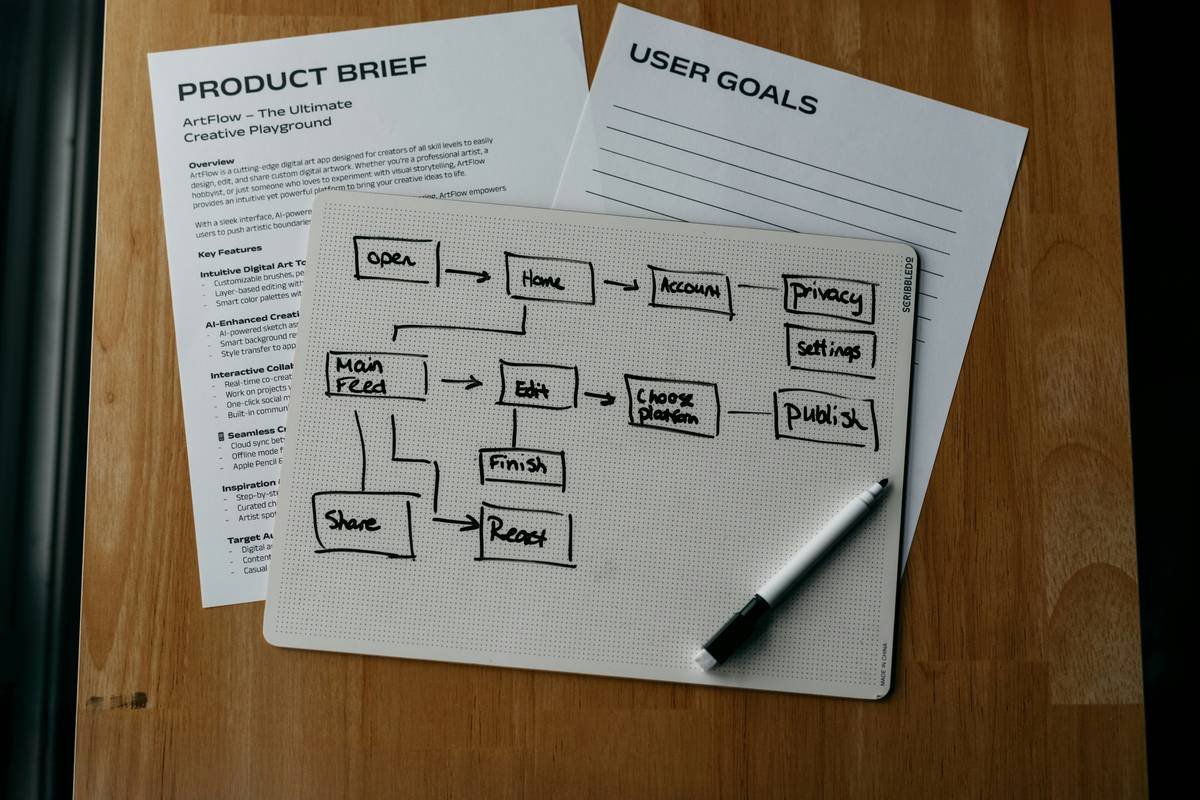
Step-by-Step Guide to Start Content Strategy Management
What’s the first thing I need before writing a single post?
Stop. Don’t open Canva yet.
Step 1: Conduct a brutally honest audit.
Review your last 10–15 posts. Ask:
– Which got the most engagement? Why?
– Did any drive traffic or conversions?
– Are you using consistent branding (voice, colors, tone)?
If you’re starting from zero, audit 3 competitors instead.
Step 2: Define SMART goals.
Not “get more followers.” Try: “Increase Instagram profile visits by 25% in Q3 to support our Q4 product launch.” Tie every goal to a business outcome.
Step 3: Build your audience persona(s).
Go beyond “women aged 25–40.” Get specific:
– Name: “Marketing Manager Maya”
– Pain point: “She’s overwhelmed by AI tools but needs to prove ROI to her boss”
– Where she scrolls: LinkedIn mornings, Instagram evenings
– What she craves: actionable templates, not theory
Step 4: Choose 1–2 platforms MAX.
Newbies spread too thin. Focus where your audience lives and where you can show up consistently. B2B? LinkedIn + Twitter/X. Visual DTC brand? Instagram + TikTok.
Step 5: Create a content matrix.
Map content types to goals:
– 40% educational (how-tos, tips)
– 30% entertaining (behind-the-scenes, memes)
– 20% promotional (offers, launches)
– 10% community-building (polls, UGC)
Step 6: Build your workflow.
Use free tools like Trello or Notion to plan, create, approve, and schedule. Batch-create every Monday. Schedule via Buffer or Meta Business Suite.
Optimist You: “This feels so organized!”
Grumpy You: “Ugh, fine—but only if coffee’s involved and I can skip the ‘synergy’ jargon.”
Best Practices That Actually Work in 2024
Wait—aren’t algorithms changing every 5 minutes? How do I keep up?
Yes, algorithms shift—but human behavior doesn’t. People crave value, authenticity, and clarity. Keep these non-negotiables in mind:
- Hook in 0.8 seconds. First frame = make-or-break. Use bold text, unexpected visuals, or provocative questions (“Still doing this in 2024?”).
- Repurpose like a pro. Turn one long-form video into: 1 Reel, 3 carousels, 5 tweets, and a newsletter snippet.
- Caption = mini-blog post. First 3 lines must stand alone (many users scroll with sound off). Include keywords naturally: “content strategy management how to start” isn’t cringe if it fits.
- Track what matters. Ignore follower count. Watch: link clicks, saves, shares, and conversion rate.
- Engage before you post. Spend 15 mins/day commenting genuinely on target accounts. Algorithms reward reciprocity.
🚫 Terrible Tip Alert: “Post at 3 a.m. on Tuesdays because some viral tweet said so.” Stop. Test your own audience’s active hours via native analytics. Every niche is different.
Rant Section: My Niche Pet Peeve
Why do people still say “just be authentic”? Cool—but if your “authentic” self is chaotic, inconsistent, and unclear about your offer, congrats: you’re authentically invisible. Strategy is the scaffolding that makes authenticity *effective*. Sounds like your laptop fan during a 4K render—whirrrr—not magic.
Real Case Study: From Zero to 10K Followers in 5 Months
Can this really work for a tiny team with no budget?
Absolutely. Meet “Pixel & Co,” a 2-person social media agency I advised in early 2024.
The Problem: Posting inconsistently across 4 platforms. No clear voice. Zero leads from social.
The Fix:
– Audited their top 5 competitors
– Defined ONE core persona: “Startup Founder Felix”
– Picked LinkedIn as primary (where Felix researches vendors)
– Created a weekly series: “Felix’s Friday Fixes” (quick audits of real startup profiles)
– Used CapCut templates for consistency
– Added clear CTAs: “DM ‘AUDIT’ for a free profile review”
The Result:
– 10,200 LinkedIn followers in 5 months
– 37 qualified leads (12 converted to clients)
– 8x increase in profile visits
No paid ads. No influencers. Just ruthless focus and a repeatable system.
FAQs: Your Burning Questions, Answered
How often should I post when starting content strategy management?
Quality > frequency. Start with 2–3 high-value posts per week per platform. Better to nail consistency than burn out posting daily.
Do I need a content calendar?
Yes—but it doesn’t need to be fancy. A shared Google Sheet with columns for: Date, Platform, Content Type, Caption Draft, Visual, Status. Done.
What’s the biggest mistake beginners make?
Treating all platforms the same. A TikTok script ≠ an X thread ≠ a LinkedIn article. Optimize format, tone, and length for each.
How do I measure success?
Match metrics to goals:
– Brand awareness → reach, impressions, follower growth
– Engagement → comments, shares, saves
– Conversions → link clicks, DMs, sign-ups
Can I use AI for content creation?
Yes—for ideation, drafting, and repurposing. But never publish without human editing. AI lacks nuance, brand voice, and emotional intelligence.
Conclusion
Starting content strategy management isn’t about perfection—it’s about direction. Define your audience, align with business goals, pick your battlefield (platform), and build systems that let you show up consistently without sacrificing sanity.
Remember: your first strategy won’t be your final one. Refine as you go. Track, test, tweak. And for the love of all things digital, stop chasing viral fame. Build trust, deliver value, and the algorithm will eventually notice.
Now go audit those posts. And hey—if you accidentally use #VeganRecipes for a bacon promo again… we’ve all been there. (RIP engagement. 🫠)
Like a Tamagotchi, your content strategy needs daily care—or it dies.
Morning scroll,
Strategy sharp as dawn light—
Growth begins now.