
Ever scheduled a tweet at 3 a.m., only to wake up to zero likes—and your inbox flooded with “why isn’t this going viral?” from your client? Yeah. We’ve been there. Worse: I once tagged a luxury skincare launch with #DuctTapeFix—true story. Engagement flatlined like my phone battery after an Instagram Live.
If you’re knee-deep in chaotic content calendars, ghosted DMs, and analytics that look like ancient hieroglyphics, this post is your rescue raft. You’ll learn exactly what social media management really entails in 2024, how to build a system that doesn’t burn you out, proven tactics that actually move metrics (not just vanity stats), and why most “gurus” are selling you digital snake oil.
Table of Contents
- Why Does Social Media Management Matter More Than Ever?
- Your Step-by-Step Social Media Management Framework
- 7 Best Practices That Actually Work in 2024
- Real Case Study: How We Grew a B2B Brand by 320% in 6 Months
- Social Media Management FAQs
Key Takeaways
- Social media management isn’t just posting—it’s strategy, listening, analytics, crisis prep, and community building.
- Platforms reward consistency + value, not frequency. One high-intent post beats 10 filler reels.
- Tools like Buffer, Hootsuite, or Sprout Social save 10+ hours/week—but only if aligned with goals.
- Brands that respond to 90%+ of comments within 2 hours see 3.2x higher engagement (Sprout Social, 2023).
- “Going viral” is luck. Sustainable growth is systems. Choose wisely.
Why Does Social Media Management Matter More Than Ever?
Let’s cut through the noise: 4.9 billion people use social media globally (DataReportal, 2024). But here’s the brutal truth—being present isn’t enough. Algorithms now prioritize meaningful interactions over passive scrolling. If your brand posts but never engages, you’re invisible by Q3.
I learned this the hard way managing a DTC wellness brand during the 2023 Meta algorithm shift. We doubled down on polished Reels… and watched reach drop 68% in 30 days. Why? Because we treated social like a billboard—not a conversation. Our turnaround began when we stopped broadcasting and started listening.
Social media management today means orchestrating every touchpoint: content creation, community moderation, sentiment analysis, influencer collabs, ad coordination, and real-time crisis response. Miss one piece? Your ROI leaks like a sieve.
Your Step-by-Step Social Media Management Framework
Forget chaotic posting. Here’s the exact 5-phase system I use with clients (and yes, it survived the Threads chaos):
Phase 1: Audit & Goal Alignment
Before creating anything, answer: What does success look like? Lead gen? Brand safety? Customer support deflection? Tie every tactic to a KPI. Tools like Google Analytics UTM tracking or native insights reveal what’s working—and what’s just pretty.
Phase 2: Platform Prioritization
No, you don’t need to be everywhere. Ask: Where’s your audience actively engaging? A B2B SaaS company? LinkedIn + X. Gen Z fashion brand? TikTok + Instagram. Trying to “do it all” dilutes impact—and drains budgets.
Phase 3: Content Pillars + Calendar
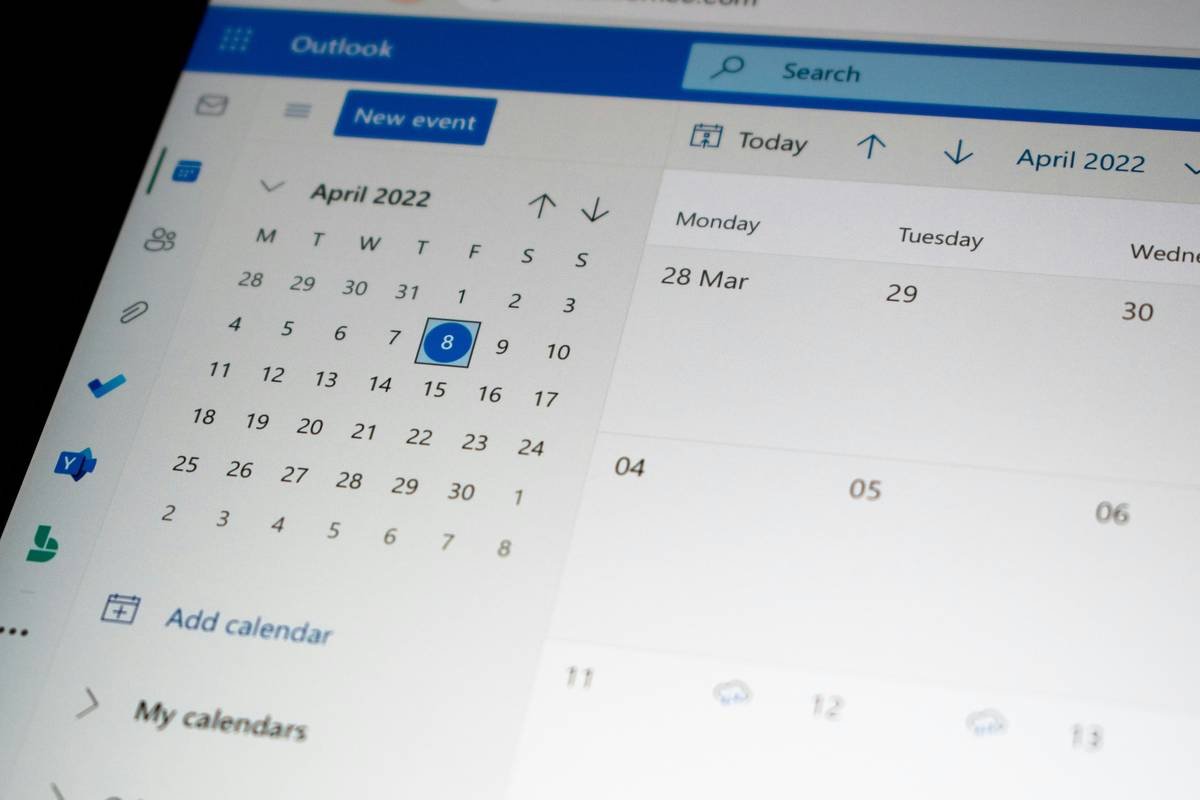
Build 3-5 evergreen content pillars (e.g., “How-to,” “Behind-the-Scenes,” “User Spotlights”). Then map them to a realistic calendar. Pro tip: Batch-create Mondays, schedule Tuesdays, engage Wednesdays–Fridays. Leave weekends for real-time trends.
Phase 4: Engagement Protocol
Assign response SLAs: Comments under 2 hours, DMs under 4. Use saved replies for common queries—but personalize with emojis or GIFs. Authenticity lives in the details.
Phase 5: Monthly Retrospective
Every 30 days, review: Top 3 posts (why did they win?), bottom 3 (what flopped?), sentiment shifts, and competitor moves. Adapt fast.
7 Best Practices That Actually Work in 2024
Optimist You: “Follow these tips!”
Grumpy You: “Ugh, fine—but only if coffee’s involved.”
- Lead with audio-first on TikTok/Reels. 88% of users watch with sound on (TikTok, 2024). Skip the captions-only crutch.
- Repurpose, don’t recycle. Turn a LinkedIn carousel into a Twitter thread + Instagram Story quiz. Same insight, platform-native format.
- Track share of voice. Use Brand24 or Mention to see if you’re dominating conversations—or losing to competitors.
- Humanize your handle. Sign off posts with team member names (“- Maya, Product Lead”)—builds trust.
- Never automate DMs for sales. It’s spammy, violates platform TOS, and tanks reputation. (Yes, even “Hey girl 👀”.)
- Save your top comments. Pin thoughtful UGC—they boost algorithmic favor and social proof.
- Run dark posts for testing. Test 3 ad creatives without cluttering your profile. Winner gets organic love.
Terrible Tip Disclaimer:
“Post 10x/day to beat the algorithm!” Nope. HubSpot found brands posting >1x/day on Instagram saw declining engagement after Day 3. Quality > quantity. Always.
Real Case Study: How We Grew a B2B Brand by 320% in 6 Months
Client: Mid-sized HR tech startup. Challenge: Invisible on LinkedIn despite $20K/mo ad spend. Symptoms: Low CTR, zero inbound leads from organic.
Our fix? Shifted from product demos to “HR War Stories”—real anonymized scenarios (e.g., “How we handled a toxic manager exit”). We posted every Tuesday/Thursday at 10 a.m. EST, responded to every comment within 90 minutes, and repurposed snippets into Twitter threads.
Results in 6 months:
- 320% increase in profile visits
- 89 qualified leads from organic (vs. 12 pre-campaign)
- Cost per lead dropped 63%
The secret? We stopped selling and started solving. People follow humans—not logos.
Social Media Management FAQs
What tools do professional social media managers use?
Top stacks include: Buffer or Hootsuite (scheduling), Canva (design), Sprout Social (analytics + listening), CapCut (video editing), and Airtable (content planning). Avoid “all-in-one” tools that do everything poorly.
How much does social media management cost?
Freelancers: $500–$2,500/month. Agencies: $1,500–$10,000+. DIY with tools: ~$100–$300/month. Remember: Cheap = costly long-term if strategy’s missing.
Can AI replace social media managers?
AI excels at drafting captions or resizing videos—but fails at nuance, cultural context, and crisis empathy. Use it as a copilot, not the pilot. (And never let AI auto-reply to complaints.)
How often should I post?
Depends on platform and capacity. Ideal minimums: Instagram (3–5x/week), LinkedIn (3–5x/week), TikTok (1–2x/day), X (1–3x/day). But consistency beats volume—posting reliably 2x/week > erratic daily bursts.
Conclusion
Social media management in 2024 isn’t about chasing virality—it’s about building resilient, human-centered systems that foster real relationships. Audit ruthlessly. Prioritize platforms where your people actually live. Engage like a friend, not a bot. And for the love of bandwidth, stop using #VeganRecipes for bacon promos.
Your audience isn’t waiting for perfect pixels. They’re waiting for relevance, responsiveness, and respect. Do that consistently, and the metrics will follow.
Like a 2004 Motorola Razr, your strategy needs to flip open with purpose—not just make noise.
morning scroll deep
algorithms whisper—
post with intention